Wednesday, July 29, 2009

Orchids in danger again...
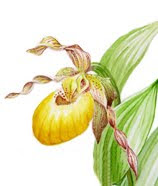
Saturday our veteran team of rare plant monitors went out to hunt the dangerous purple-fringed orchid (dangerous because I've broken several bones, on two occasions, on the search!). We located two new plants at one site, two others we had located previous years, and were feeling quite pleased with ourselves and optimistic about our next foray. After a wonderful lunch of Thai food in a cute restaurant not too far away, we ventured over to our second location. Again, two plants re-located, and two new babies : ). But the bad - I mean REALLY bad - news is that they were all awash in a sea of reed canary grass. And if we can't get rid of all the RCG there, the orchids in that area are doomed. : (
This is so characteristic of the efforts to save our precious endangered species - letting the invasives get even a tiny toehold in our natural areas can spell doom for the plants and animals we love and want to preserve!
Monday, May 25, 2009

Sunday, May 24, 2009
Orchids and vanilla grass!
This weekend we finished up our Cypripedium candidum monitoring. It's amazing how well they do with a prescribed burn! There were many in this tiny railroad prairie, full of conservative species such as yellow star grass, hoary puccoon, vanilla grass and blue-eyed grass. The spring weather was also more temperate and rainy, so perhaps that has some effect on the orchids. But the burn set back the brush, restored nutrients to the soil, and reduced the number of weed seeds. Next year, who knows?
Speaking of weed seeds, we saw a flock of goldfinches yesterday at Volo Bog, eating the seedheads of the abundant dandelions! I wish I had a flock of goldfinches in my yard, manicuring away at my dandelions! : ) We also saw way, way too much reed canary grass there in the bog. There are at least a dozen endangered and threatened species in a very small area, all vulnerable to takeover by this invasive alien plant! I alerted the state ecologist; hopefully that will help matters?
Monday, May 18, 2009

Showy orchis and ladyslippers!
This past weekend was a two-fer: Saturday we monitored Cypripedium candidum in a high-quality prairie in western Chicagoland, and on Sunday I drove about 150 miles (getting lost twice, unusual for me!) well into farm country to climb a wooded hillside to see Galearis spectabilis on the edge of the slope, in afternoon sun and glorious bloom! This was the first time I had ever seen this particular beauty.
In many states it is declining quickly, and now I can see why: this particular hillside is rapidly being overtaken by garlic mustard, whose antifungal properties spell doom for the ground-dwelling fungus that nourishes our native orchids. We spoke with the landowner about the joys of orchid conservation and the need for keeping garlic mustard and other invasive species at bay, and will hope they will do the management essential for the orchid's survival.
The gentleman said there used to be a large colony on his property years ago, but it had disappeared. This is the first one he has seen in many years, probably due to the abundant rains this spring? The floral associates were Virginia creeper, bedstraw, poison ivy (always!), black and white snakeroots, carrion vine, jack-in-the-pulpit, wild grape, clearweed, sweet cicely, and balsam ragwort. It seemed very happy nestled in its bed of white pine needles. The tree diversity was very high there; the woods seemed not to have been logged, in recent memory, anyway. There were white pine, shagbark hickory, American elm, hackberry and black cherry nearby.
Saturday, April 25, 2009
Moroccan food and violets
Today we went on our first rare plant foray of the calendar year - for the native dog violets, locally abundant only in a few pristine wooded areas. Unfortunately heavy, intermittent thunderstorms started right as we were setting up our survey, so we weren't able to safely monitor this weekend, but we did find a great Moroccan restaurant within reach, afterwards, and had hot minty tea and a wonderful tagine in its traditional ceramic cookpot. The company was great and we spent time discussing art, kids and upcoming monitoring plans, so it was time well spent.
The early-season marsh marigolds (Caltha palustris) were in their full golden glory and spring beauty, trout lilies and other early spring woodland ephemerals are well along. The trilliums are not yet up. Although our monitoring team has learned to easily ID dog violet, a stemmy, trailing violet with long-spurred light purple flowers, even out of bloom, it's just more fun to see them in their full glory, so I think we'll wait another week. I hope the weather is better next Saturday! : )
Subscribe to:
Posts (Atom)